4 Health Conditions that Might Be Harming Your Oral Health
Posted on 3/16/2026 by Nancy Shiba DDS |
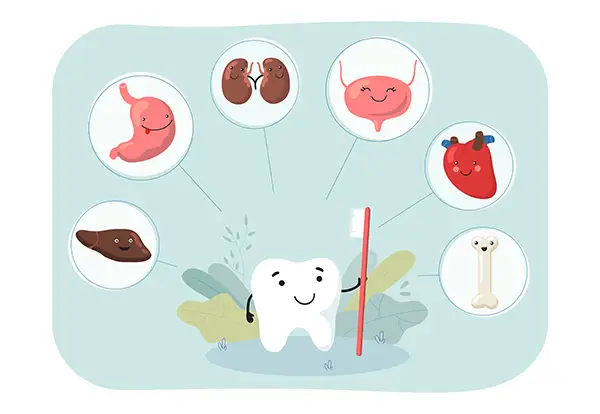 Maintaining good oral health is more than just having a pretty smile. It's a crucial part of your overall well-being. Many people don't realize that certain health conditions can significantly impact your teeth and gums. Understanding these connections is key to effective oral care and prevention dentistry. Let's explore some common health conditions that can affect your mouth. Maintaining good oral health is more than just having a pretty smile. It's a crucial part of your overall well-being. Many people don't realize that certain health conditions can significantly impact your teeth and gums. Understanding these connections is key to effective oral care and prevention dentistry. Let's explore some common health conditions that can affect your mouth.
Diabetes and Your Mouth
Diabetes and oral health have a strong, two-way relationship. High blood sugar levels, a hallmark of diabetes, can weaken your immune system and make you more susceptible to infections, including gum disease (periodontitis). Gum disease, in turn, can make it harder to control your blood sugar, creating a vicious cycle.
Symptoms of diabetes-related oral health problems include: dry mouth, inflamed gums, slow-healing sores, and frequent infections. Regular dental checkups and meticulous oral care at home are essential for people with diabetes. Working closely with both your dentist and physician can help manage both conditions effectively.
Heart Disease and Gum Disease: A Concerning Link
Research suggests a connection between heart disease and gum disease. While the exact nature of this relationship is still being investigated, inflammation appears to be a common factor. Gum disease causes inflammation in the mouth, and this inflammation may contribute to the development or worsening of heart disease.
Maintaining good oral hygiene, including regular brushing, flossing, and professional cleanings, is crucial for reducing inflammation and protecting both your heart and your gums. If you have heart disease, inform your dentist so they can tailor your oral care plan accordingly.
Osteoporosis and Tooth Loss
Osteoporosis, a condition characterized by weakened bones, can also affect the jawbone. As the jawbone becomes less dense, it can increase the risk of tooth loss and make it more difficult for dental implants to integrate properly.
While osteoporosis primarily affects bone density throughout the body, its impact on the jawbone highlights the importance of bone health for maintaining strong teeth. If you have been diagnosed with osteoporosis, talk to your dentist about how it might affect your oral health and any necessary adjustments to your oral care routine. Calcium and Vitamin D supplementation, as prescribed by your physician, can also contribute to overall bone health.
Autoimmune Diseases and Oral Manifestations
Several autoimmune diseases, such as Sjögren's syndrome and lupus, can have significant oral manifestations. Sjögren's syndrome, for example, often causes dry mouth due to decreased saliva production. Saliva is essential for neutralizing acids, washing away food particles, and fighting bacteria. Dry mouth increases the risk of tooth decay, gum disease, and oral infections.
Lupus can cause oral ulcers and other inflammatory problems in the mouth. If you have an autoimmune disease, it's vital to inform your dentist so they can monitor your oral health closely and provide appropriate treatment. Specialized oral care products and strategies can help manage the oral symptoms of autoimmune diseases and protect your teeth and gums.
Understanding the connection between these health conditions and your oral health empowers you to take proactive steps to protect your smile and your overall well-being. Regular dental checkups, open communication with your dentist, and a consistent oral care routine are essential for maintaining a healthy mouth, regardless of your medical history. Remember, prevention dentistry is key!
|
|